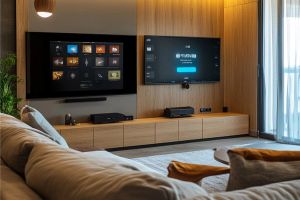
A home theater can turn an ordinary room into one of the most enjoyable spaces in your home. Whether you love movie nights, sports, gaming, concerts, or streaming your favorite shows, a well-designed home theater gives you better sound, clearer visuals, and a more comfortable entertainment experience without leaving the house.
The perfect home theater is not just about buying a large screen or adding a few speakers. It requires thoughtful planning, clean installation, proper wiring, reliable networking, and equipment that works together. When the system is designed correctly, your home theater feels simple to use, visually clean, and built for everyday enjoyment.
Our team helps homeowners create home theater systems that fit their room, lifestyle, and entertainment goals. From audio and video setup to surround sound, lighting, automation, and system control, every part of the room should work together to create a smooth and immersive experience.
The first step in building a great home theater is choosing and planning the space. A dedicated theater room is ideal, but it is not required. Many homeowners create home theater experiences in living rooms, media rooms, game rooms, bonus rooms, basements, or spare rooms.
The room layout affects almost every part of the system. Screen size, speaker placement, seating distance, lighting, acoustics, and equipment location all depend on the shape and size of the space. A room that is too bright may need better light control. A large room may need more powerful audio. A smaller room may need carefully placed speakers to avoid overwhelming the space.
Before installing equipment, it helps to think about how the room will be used. Will it be mainly for movies? Will it also be used for sports, gaming, or everyday TV? Will the whole family use it? Do you want a simple media room or a more theater-style setup? Answering these questions early helps create a home theater that feels practical, comfortable, and enjoyable.
Visual quality is one of the most important parts of a home theater. The right display can make movies, shows, sports, and games feel more exciting and immersive. Depending on the room, your home theater may use a large TV, projector, or projection screen.
A large TV is often a strong choice for living rooms, media rooms, and spaces with more natural light. TVs are simple to use, bright, and available in many sizes. A projector and screen can create a more theater-like experience, especially in darker rooms or dedicated entertainment spaces.
Screen size should be based on viewing distance, room size, and seating layout. Bigger is not always better if the screen overwhelms the room or causes eye strain. A professional setup helps make sure your display is positioned at the right height, connected properly, and placed for comfortable viewing.
Sound is what truly brings a home theater to life. Standard TV speakers usually cannot deliver the depth, clarity, and impact that homeowners want from a theater-style experience. A professionally installed surround sound system helps create fuller, more immersive audio.
A home theater sound system may include front speakers, a center channel, rear speakers, side speakers, ceiling speakers, and subwoofers. The exact setup depends on the room and the level of performance you want. Proper speaker placement is essential because it affects how dialogue, music, background effects, and bass sound throughout the room.
The center speaker should make dialogue clear. Surround speakers should create depth and movement. Subwoofers should add impact without overpowering the room. When everything is balanced correctly, the sound feels natural and exciting instead of loud or uneven.
A home theater should look polished, not cluttered. Exposed wires, crowded equipment, and messy connections can take away from the finished look of the room. Clean wiring is one of the biggest advantages of professional home theater installation.
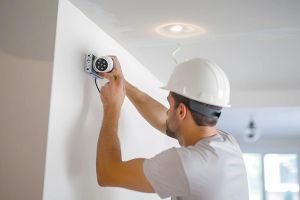
Low-voltage wiring can be used for speakers, displays, control systems, networking, and other equipment. Proper cable management helps protect the system, reduce clutter, and make the room easier to maintain. Organized wiring also makes future upgrades simpler if you decide to add new equipment later.
Equipment placement matters too. Receivers, streaming devices, gaming consoles, media players, and network components should be arranged in a way that supports airflow, accessibility, and clean connections. A good home theater system should not only perform well but also look intentional and finished.
Lighting can make a big difference in how your home theater feels. Bright overhead lights can create glare and reduce the theater effect. Poor lighting can make the room uncomfortable or difficult to move around in. The right lighting setup helps create mood, comfort, and convenience.
Smart lighting is a great addition to a home theater. You can create lighting scenes for movie night, sports, gaming, or casual viewing. For example, lights can dim when the movie starts or brighten when the room is being used for regular activities.
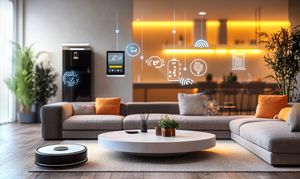
Lighting can also connect with home automation. This allows your theater room to feel more seamless and easier to control. Instead of adjusting multiple switches, the room can be set up for the experience you want with fewer steps.
A home theater should not require several remotes, confusing inputs, or complicated steps. If the system is hard to use, it becomes frustrating instead of enjoyable. Simple control is one of the most important parts of a successful home theater.
Your display, speakers, receiver, streaming devices, gaming consoles, and lighting should be configured so they work together smoothly. The goal is to make it easy to turn on the system, choose what you want to watch, adjust the sound, and enjoy the room without troubleshooting every time.
Home automation can also help simplify control. A well-planned system may allow the audio, video, lighting, and connected devices to work together in a more organized way. This creates a better experience for everyone in the home, not just the person who understands the equipment.
Modern home theaters often rely on streaming services, smart TVs, gaming systems, connected audio equipment, and automation features. That means a strong network is essential. Weak Wi-Fi or poor network setup can lead to buffering, delayed controls, dropped connections, or unreliable performance.
A professional home theater setup should consider the network behind the system. Depending on the room, this may include improved Wi-Fi, wired network connections, or better equipment placement. Strong networking helps keep your entertainment system running smoothly, especially when streaming high-quality video or using multiple connected devices.
Building the perfect home theater takes more than equipment. It takes planning, installation experience, wiring knowledge, audio and video setup, and system configuration. A professional installer helps bring all of those pieces together.
Our team designs home theater systems around your space, your goals, and the way you want to enjoy your home. We focus on clean installation, reliable performance, simple control, and long-term usability. Whether you want a dedicated theater room or a better media room setup, professional planning helps create a system that feels complete and easy to use.
A great home theater should be comfortable, powerful, organized, and built for the way you live. With the right design, your home can become the best place to watch, listen, play, and relax.
No. A dedicated room can create a more theater-like experience, but it is not required. A home theater can be installed in a living room, media room, game room, bonus room, or other entertainment space.
A home theater system may include a large TV or projector, surround sound speakers, subwoofers, receiver, streaming devices, gaming consoles, smart lighting, low-voltage wiring, and simple control features.
Yes. A home theater can connect with smart lighting, audio, video, automation, and other home technology features. This can make the room easier to control and create a smoother entertainment experience.