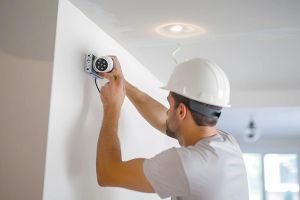
Installing a home audio and video system is one of the best ways to make your home more enjoyable, comfortable, and easier to entertain in. Whether you want better sound in your living room, a cleaner TV setup, a media room upgrade, or a connected system for music and video throughout the home, the right installation can make a big difference in how you use your space every day.
However, a great home audio and video system takes more than buying a TV, speakers, receiver, or streaming device. The best results come from planning the system around your room, your equipment, your wiring, your network, and the way you actually use your home. Without proper planning, homeowners can run into messy cables, weak sound, confusing controls, poor placement, unreliable connections, or equipment that does not work well together.
Before installing home audio and video systems, it helps to understand the key details that affect performance, appearance, and long-term reliability. With the right approach, your system can look clean, sound clear, display beautifully, and feel simple to use.
The first thing to consider is how you want to use the room. A living room used for casual TV watching may need a different setup than a dedicated media room, game room, or home theater. Some homeowners want better everyday sound. Others want powerful movie audio, music throughout multiple rooms, outdoor entertainment, or a clean wall-mounted display with hidden wiring.
Before choosing equipment, think about your main goals. Do you watch movies often? Do you host guests? Do you want music in multiple areas of the home? Will the system be used for gaming, sports, streaming, or family movie nights? Do you want simple control for the whole household?
Answering these questions helps guide the design. A properly planned home audio and video installation should match your lifestyle instead of forcing you to adjust to complicated technology.
Great audio depends heavily on speaker placement. Even high-quality speakers can sound disappointing if they are installed in the wrong location. Speakers that are too close together may not create enough separation. Speakers that are too far away may sound disconnected. Poor subwoofer placement can make bass feel uneven, too strong, or too weak.
For surround sound and media room systems, placement becomes even more important. Front speakers, center channels, rear speakers, ceiling speakers, and subwoofers all need to work together to create balanced sound. The room’s size, shape, ceiling height, furniture layout, and seating location all affect the final result.
Professional planning helps create audio that feels clear and natural. Dialogue should be easy to understand, music should feel full, and sound effects should add depth without overpowering the room.
One of the biggest frustrations with home entertainment systems is messy wiring. Exposed cords, crowded entertainment centers, loose cables, and tangled connections can make even expensive equipment look unfinished. Clean wiring is an important part of professional home audio and video installation.
Low-voltage wiring can help support speakers, displays, media equipment, control systems, and network connections. When wiring is planned correctly, the finished setup looks cleaner and performs more reliably. Hidden or organized wiring can also make the room safer, easier to maintain, and easier to upgrade later.
A clean installation is not just about appearance. Proper cable management can reduce connection issues, protect equipment, and make troubleshooting easier if updates are needed in the future.
Many modern audio and video systems depend on a strong home network. Streaming devices, smart TVs, connected speakers, home theater equipment, and automation features often rely on Wi-Fi or wired network connections. If the network is weak, your entertainment system may buffer, lag, disconnect, or fail to perform consistently.
Before installing a new system, it is important to consider your home’s network strength. Larger homes, homes with thick walls, and spaces far from the router may need improved Wi-Fi coverage or wired connections. A strong network can make streaming smoother, improve device control, and support future smart home upgrades.
Our team looks at the technology behind the system, not just the visible equipment. A reliable home audio and video setup needs both quality devices and the right infrastructure supporting them.
A home audio and video system should be easy to use. If it takes multiple remotes, several apps, and too many steps just to watch a movie or play music, the system can become frustrating. Simple control should be part of the design from the beginning.
A well-installed system can make it easier to switch between streaming services, adjust volume, control speakers, manage video sources, and enjoy entertainment without confusion. For larger setups, audio and video can also connect with smart home automation, lighting scenes, or home theater controls.
The goal is to make technology feel helpful, not overwhelming. Your system should be easy enough for the whole household to enjoy.
Not every room needs the same type of equipment. A small living room may not need the same speaker setup as a large media room. A bright room may perform better with a large TV instead of a projector. A dedicated theater space may benefit from surround sound, subwoofers, acoustic planning, and smart lighting.
Choosing the right equipment starts with understanding the space. Bigger is not always better if the system does not fit the room. The best setup is one that delivers strong performance while still feeling comfortable, clean, and practical.
Professional installation helps homeowners avoid overspending on equipment they do not need or choosing devices that do not work well for the space. The right system should fit your goals, your home, and your budget.
Home technology changes over time, so it is smart to think ahead. You may start with a simple audio and video setup now, then later add surround sound, home theater equipment, outdoor speakers, home automation, or security cameras. A system that is planned with future upgrades in mind can save time and frustration later.
Low-voltage wiring, networking, equipment placement, and system design can all affect how easy it is to expand your setup. When the foundation is built correctly, adding new features becomes much easier.
This is especially important for homeowners who want their entertainment system to grow into a larger smart home setup over time.
Professional home audio and video installation helps homeowners get better performance, cleaner wiring, stronger reliability, and easier control. Instead of guessing where equipment should go or dealing with connection issues later, a professional installer can design the system around the room and test everything before completion.
Our team focuses on clean installation, organized wiring, reliable connections, and practical system design. Whether you are upgrading one room or creating a larger residential technology setup, the goal is to build a system that feels polished and works the way it should.
A good home audio and video system should make entertainment easier, not more complicated. With the right planning and installation, your home can become a better place to watch, listen, relax, and gather.
You should consider the room layout, speaker placement, display location, wiring needs, network strength, equipment compatibility, and how you want to control the system. Planning these details early helps create a cleaner and more reliable setup.
Yes. In many cases, wires can be hidden or organized using low-voltage wiring and proper cable management. This helps create a cleaner finished look and can improve long-term system reliability.
Yes. Home audio and video systems can connect with smart lighting, home theater controls, automation, security cameras, and other connected features. This can make your entertainment system easier to use and more convenient for everyday living.